Digital Product Passport: traceability and sustainability in textiles
The Digital Product Passport helps textile brands connect each product to reliable information about its materials, production, use and end of life. It is becoming an important tool for traceability, circularity and compliance in Europe.
13/03/2025, updated 02/10/2026
Digital product passport, NFC, ESPR, traceability
What is the Digital Product Passport ?
he Digital Product Passport, or DPP, is a digital record connected to a physical product.
For textile products, it may include information about materials, origin, manufacturing, care, repair, reuse, recycled content and end of life.
The exact requirements will depend on future European rules for the textile sector. Textile apparel is already identified as a priority product group under the Ecodesign for Sustainable Products Regulation, also known as the ESPR.
The DPP gives different stakeholders access to relevant product information. These stakeholders may include brands, suppliers, retailers, consumers, repair services, second-hand platforms and recyclers.
How does it work?
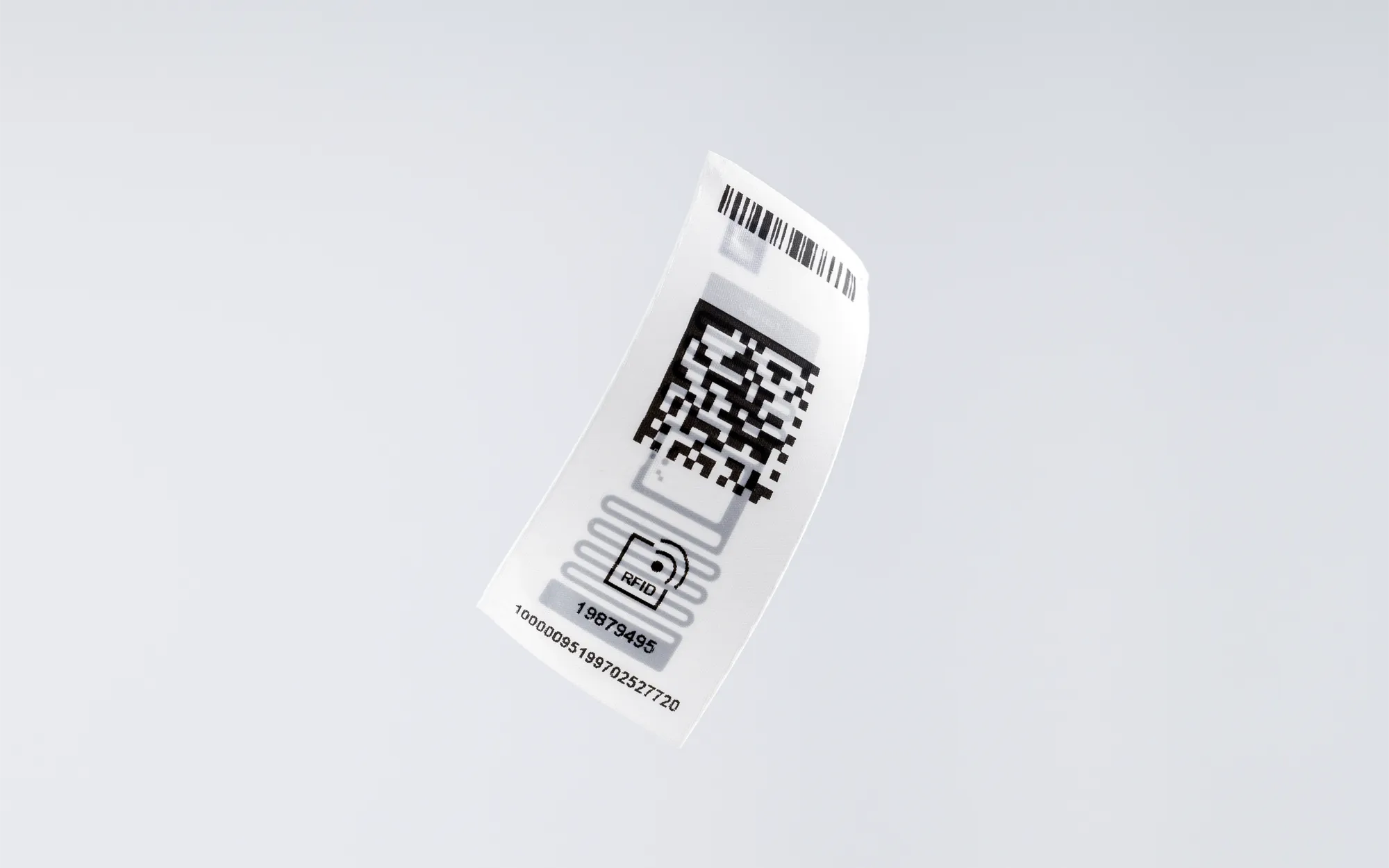
A DPP is connected to a product through a data carrier integrated into its label, packaging or documentation.
NFC is particularly suitable for textile products. Customers can access the digital passport by bringing a compatible smartphone close to the NFC tag.
The tag can provide access to:
• product composition and origin;
• care and maintenance instructions;
• authentication;
• repair and resale information;
• brand content and storytelling;
• product registration;
• customer engagement;
• data collection after each interaction.
The same NFC tag can support different experiences throughout the product lifecycle. Access can vary depending on whether the user is a customer, retailer, repair service or recycler.
A QR code may also be used as an additional access point. However, the code or tag is only the link. The DPP itself is the structured product information stored behind it.
The European framework does not require blockchain. It focuses on reliable data, interoperability and long-term access.
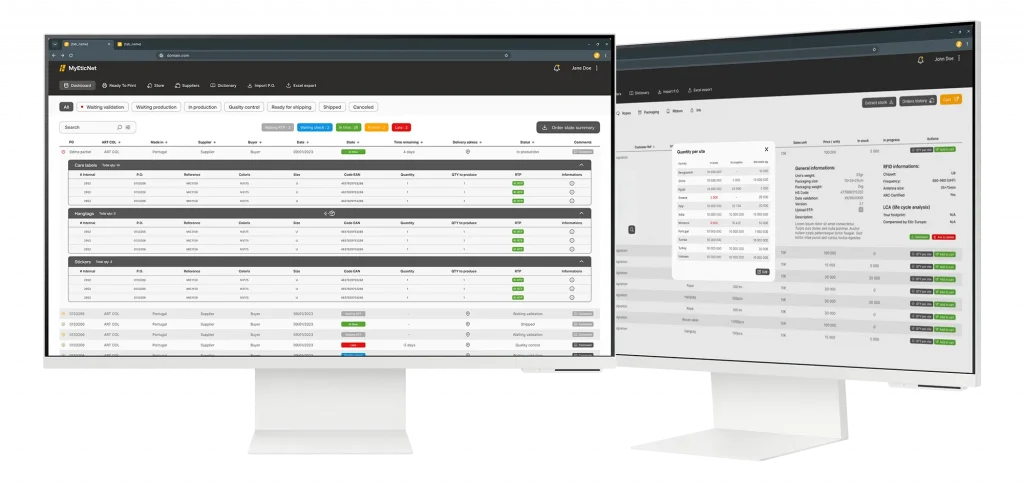
Etic Europe provides encoded NFC tags and customisable digital passport experiences. The solution can work with more than 250 ERP and PLM systems.
Sustainability and circularity
One of the main advantages of the Digital Product Passport in the textile industry is its potential to promote eco-responsibility. By making information about materials, production, and end-of-life easily accessible, this system allows consumers to make more informed choices. They can prioritize products made with sustainable and recyclable materials while supporting environmentally friendly production practices.

A tool for the circular economy and sustainability
The European Union has taken significant steps to promote the implementation of the Digital Product Passport in the fashion and other industries. The European Regulation aims to establish a common framework for collecting, sharing, and managing product information. This regulation will encourage full transparency about products, facilitating the adoption of sustainable practices by companies.
Supported by European regulatory initiatives, the Digital Product Passport could transform the textile industry. Upcoming legislation will impose stricter requirements regarding product sustainability and recyclability, providing companies with the necessary tools to comply while minimizing their environmental impact.
Marketing advantage of the Digital Product Passport
Although implementing the Digital Product Passport requires an initial investment, it offers fashion brands a unique opportunity to differentiate themselves in the market. By providing full transparency about the composition of their products, brands can build consumer trust while meeting increasingly stringent sustainability requirements. This becomes a genuine marketing asset, as consumers are increasingly inclined to support brands committed to the environment.

Future perspectives
The European legal framework for the DPP is based on Regulation (EU) 2024/1781, also known as the ESPR. The regulation establishes a framework for sustainability and information requirements for different product categories.
Textile apparel is one of the priority product groups. The European Commission currently indicates 2027 as the target period for adopting the rules dedicated to textiles. These rules will define the required information, products concerned and implementation conditions.single-market-economy.ec.europa
Brands can already prepare by reviewing their product data and improving their internal processes.
They can also test NFC labels, organise information by product reference or batch, and connect product data to their existing systems.
The DPP can become more than a compliance tool. It can support authentication, after-sales services, repair, resale and product storytelling.
It can also keep the product connected to the brand after purchase. Brands may update information, promote services and better understand how customers interact with their products.
ETIC Europe helps brands connect physical products to digital experiences through NFC tags and customised digital passports. The passport can be adapted to the brand identity and connected to existing ERP and PLM systems.
The Digital Product Passport: leading the way in sustainable fashion
The Digital Product Passport is becoming an important tool for the textile industry.
NFC provides a discreet and interactive way to connect products to digital information. It can support traceability, authentication, customer engagement and circular services.
By preparing their product data now, brands can improve their operations and anticipate future European requirements.